
THE STORY
When in the history of Islam the center of power shifted from Damascus to Baghdad, also the main route of pilgrimage dramatically changed. Muslim believers from the new capital city and the Eastern countries of the empire now had to cross 1.400 kilometers of mostly barren land to reach Mecca. Their way led through the Nefud desert, one of the driest regions in the world.
From the beginning, royal and private benefactors sought to remedy the life-threatening hardships of the new route. One of them being Zubayda bint Ja`far ibn al-Mansur (765-831 CE/AH 148-216), also known as Umm Ja`far. Given Zubayda’s extraordinary commitment to provide water and shelter for the pious travelers, posterity named the route after the compassionate Abbasid Lady, who became the wife of the famous caliph Hārūn ar-Rashīd.
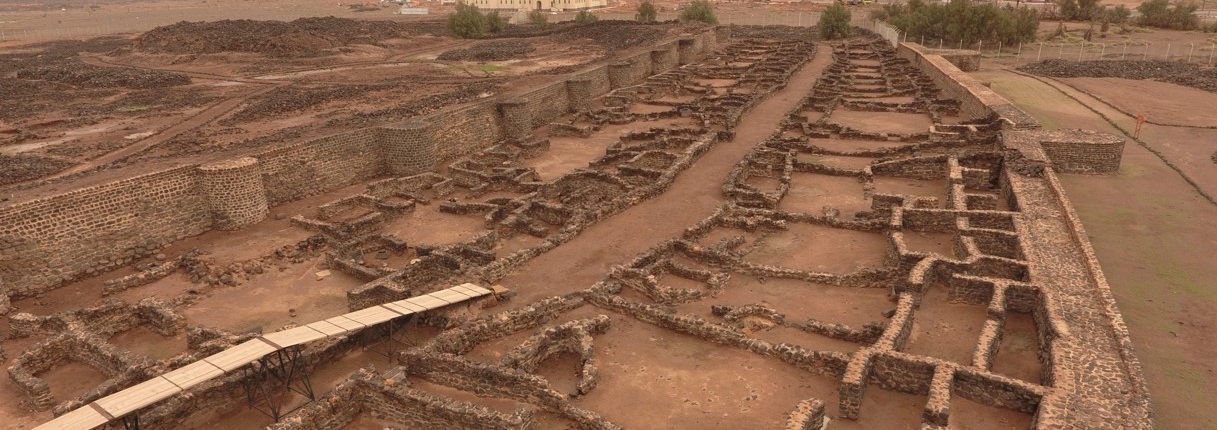
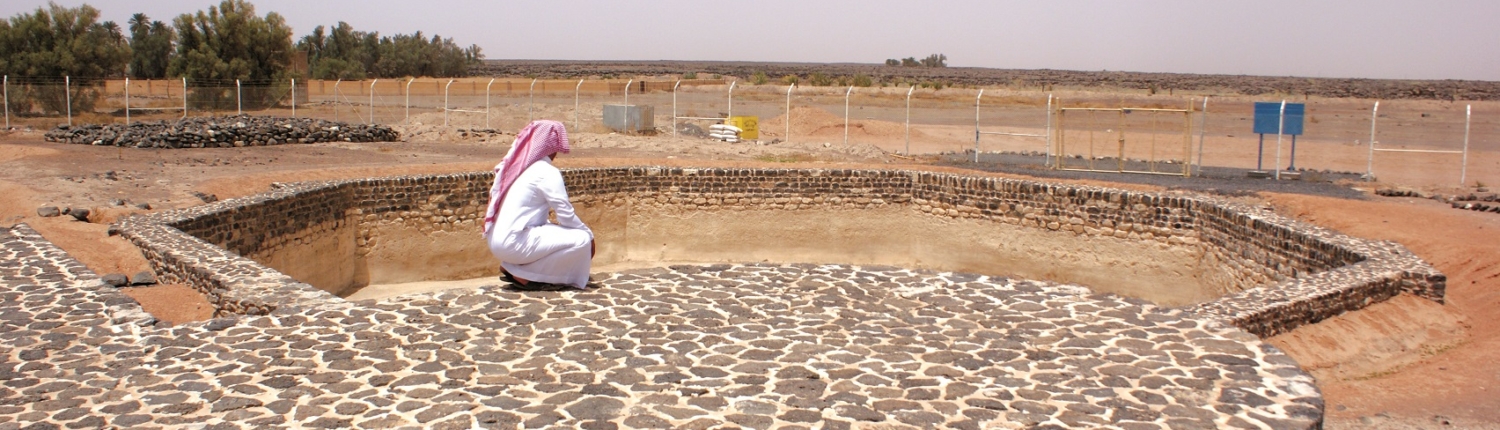
Zubayda made at least five pilgrimages to Mecca, her first one in 790 CE/AH 173. Our story will recount the challenges that the Lady and her fellow travellers from the Eastern provinces faced en route, keeping it uncertain, whether they will make it to Mecca. The dramatic narrative will be combined with documentary research on the archaeological remains of the Zubayda trail, giving evidence to the equally sophisticated and charitable measures that were undertaken to support and protect generations of pilgrims.
